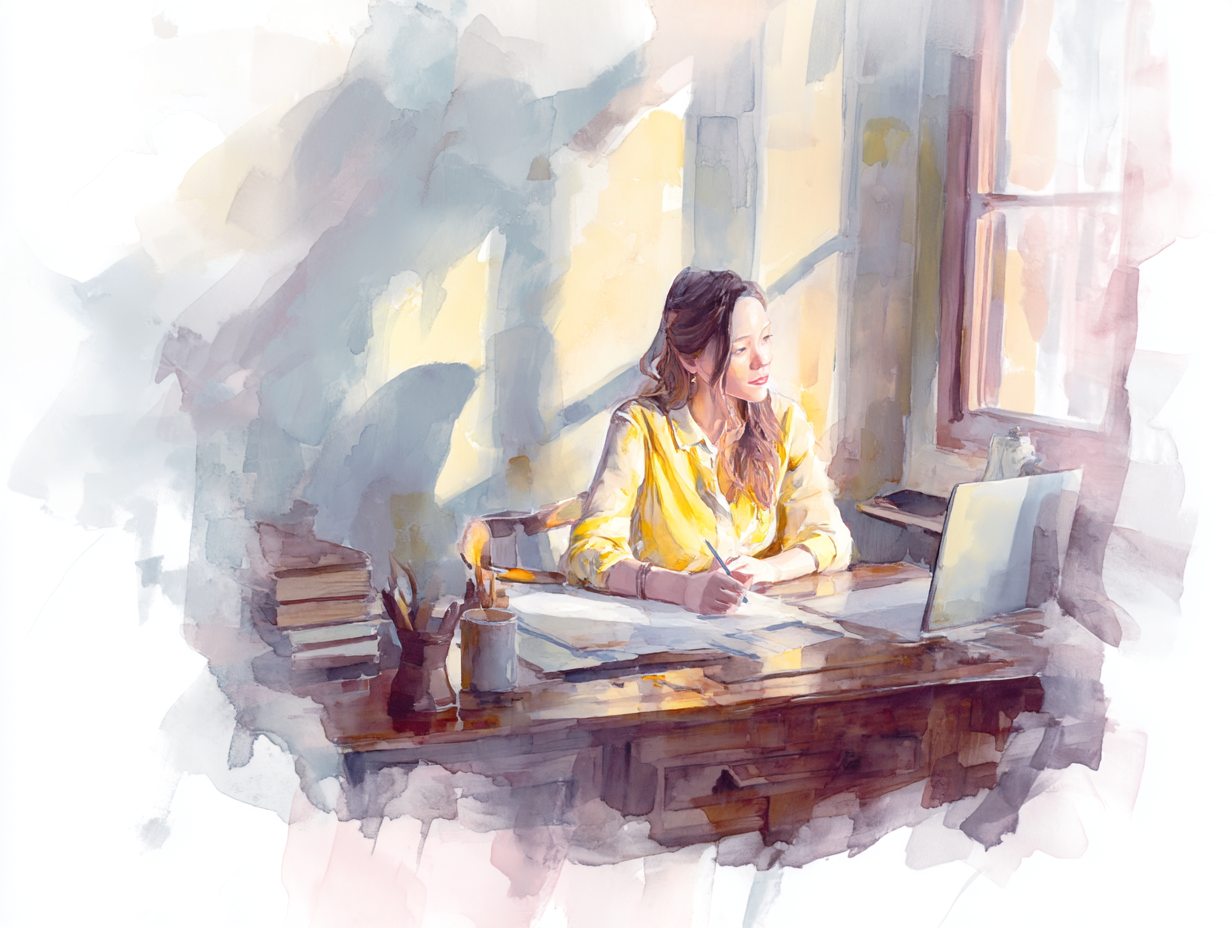
Somewhere Along the Way, We Turned Reading Into a Competition
Somewhere along the way, reading became something we measured instead of something we felt. Not all at once. Not intentionally. This reflection explores how books slowly shifted from inner companions to visible achievements—and what may have been lost when we began asking how many instead of how deeply.
On how reading became visible, measurable, and quietly unmoored from its inner life
Somewhere along the way, we turned reading into a competition.
Not all at once. Not intentionally.
It didn’t arrive wearing the word competition.
It arrived dressed as enthusiasm. As community. As productivity. As love.
How many books this year.
How fast.
How neatly documented.
How beautifully displayed.
We began to speak about reading in numbers before we spoke about it in sentences.
At some point, the question shifted from What did this do to you?
to How many did you finish?
And quietly, almost politely, something changed.
Continue reading on Medium
Literature & History Reflections at Crestance
This articles space at Crestance is where literature, history, and cultural reflection meet. Here you’ll find long-form essays, reading reflections, behind-the-scenes explorations, and historical context pieces connected to the themes explored across Gateway Books by Crestance. These articles look beyond plot summaries to examine the real histories, moral questions, and human experiences that live inside books — from historical fiction and classic literature to cultural memory, identity, power, and storytelling itself. Whether an article grows out of a podcast episode or stands alone as a written reflection, this space is designed for readers who want to slow down, think deeply, and engage with books as living conversations between past and present.
Many of these pieces expand on questions raised in the podcast, offering deeper historical background, literary analysis, and cultural context for readers who want to linger with a topic longer than a single episode allows. Others serve as standalone essays shaped by books, archives, and lived inquiry. Together, they form a written record of Crestance’s core focus: reading as a way of understanding the world, the past, and ourselves.